








Anticipation hangs in the air like a shiny tinsel garland. The season of joyful gatherings with loved ones and treasured family traditions is upon us. And much of the celebration involves foods – boxes of the good biscuits, a recipe passed down for generations and of course plenty of chocolate.
All this good food plus winter weather has a predictable outcome – we tend to put on a little weight. Our pets also get more treats and less exercise than usual, although in their case, some of that food is stolen, not shared! What about holiday pet safety?
What’s a loving pet parent to do? How can we share the joy of the season with our best furry friends without overindulging them?
These Christmas pet safety tips will help you develop an approach that helps your dog or cat safely thrive while also enjoying the festive season.
Holiday Hazards in a Modern Home
We all know about festive foods toxic to pets. You can refresh your memory about foods that pose a serious risk to pets with our previous blogs such as What Not to Feed Your Dog at Christmas and Which Christmas Foods are Dangerous for Dogs.
But what else do we need to know about winter pet nutrition to keep our precious dogs and cats safe and happy? How can we stop dogs overeating at Christmas and keep cats away from the turkey?
The Hidden Holiday Risks That Lead to Overeating
One key to holiday pet safety is remembering that cats and dogs will shamelessly swipe food and cleverly trick guests into feeding them. This is a situation where the best defense is a good offense.
- Tell guests that feeding pets inappropriately makes them sick, and share the lists of festive foods toxic to pets. Give them safe treats for dogs to offer instead.
- When the kitchen is busy, especially with multiple cooks, shut the pets out. They can be quite comfortable in another room, especially with an enrichment toy like a snuffle mat to distract them.
- Use the same tactic for meals. If you have guests, pets are likely to chance their paw when you’re distracted.
- When you receive a wrapped gift, ask the giver it contains food and explain that your dog or cat will be able to smell it even if it’s in sealed packaging.
- Avoid using food in ornaments, and be careful of where you keep any Advent calendars.
Why Pets Gain Weight Faster in Winter
We all tend to gain a little insulation around the middle in the cold winter months. But what about cat and dog weight management in winter? Why do pets gain weight in winter?
Why Winter Can Lead to Subtle Weight Gain
When the weather is bad, it’s tempting to stay in, exercise less and indulge in more food and drink. Not only are they exercising less, indoor heating means they aren’t burning calories to regulate their body temperature – which is not a suggestion to leave them out in all weather!
Maintaining an exercise routine in winter is important for pets. You can learn more about why in our blog on winter pet joint care.
Smart, Safe & Seasonal Treat Alternatives
You don’t have to be the Grinch to keep your cat or dog healthy through the holidays. Following a few Christmas pet safety tips will let you and your furry besties enjoy the season safely.
Festive Treats Your Pet CAN Enjoy (Without Guilt)
We all need some treats to celebrate the winter holidays. Here are some ideas for safe treats for dogs and cats.
- Healthy, unprocessed, single-ingredient snacks such as a pieces of carrot or apple or a bit of lean, cooked turkey (no dressing!) are safe.
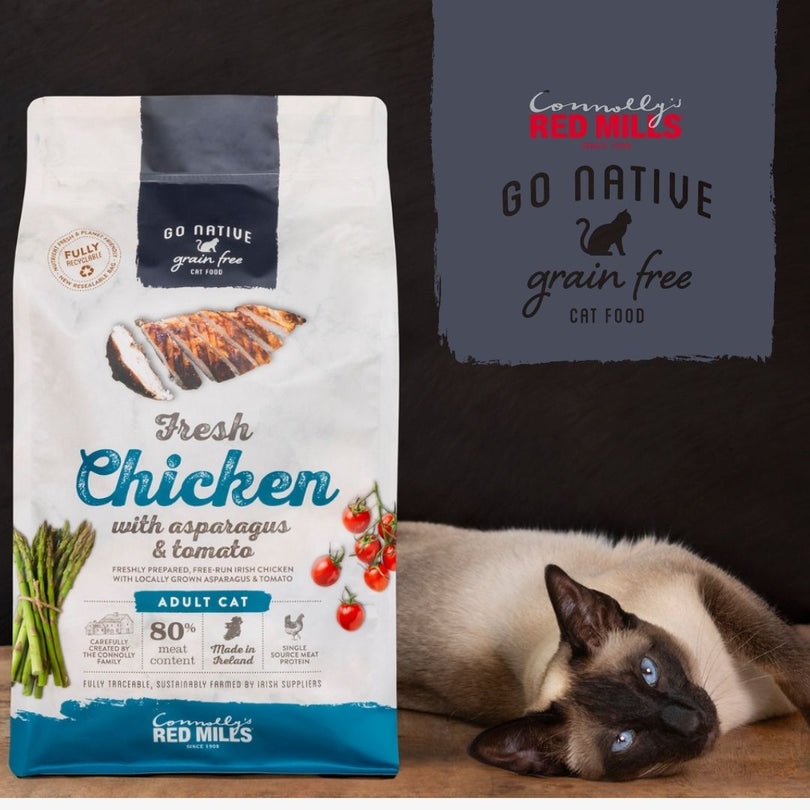
- Some treats, such as the Go Native line, feature festive flavours such as cranberry and sweet potato.
- Treats should only be about 10% of your pet’s daily intake – even at Christmas! Low-calorie treats are a good way to indulge them.
- Love holiday baking? Try baking safe Christmas treats for dogs and cats. Use Christmas cookie cutters and make little gingerbread men shaped treats. Look for recipes online that feature wholesome ingredients such as peanut butter (no sweetener, just 100% peanuts), porridge oats, lean mince, grated carrot and apple, egg, etc.
- Our winter pet care guide here offers some information about keeping pets active when it’s so cold and wet out.
Portion Control During the Festive Season
Mercifully, portion control for pets during holidays is a little bit easier than preventing our own holiday overindulgences. Cat and dog weight management in winter involves controlling what and how much our pets eat.
How to Feed Smarter When the Christmas Table Is Loaded
All that extra food means extra temptation, which can override their own body cues about when and how much to eat.
If you are doing a lot of extra cooking and baking, you might want to change your pet’s feeding schedule. Instead of filling their dish once or twice a day, you can use smaller more frequent meals to let them feel they are getting fed as much as they want while actually not giving them any extra food. You can also add a little water to their food to make it a bit more filling. If you do want to give extra treats to the best little boy or girl, avoid table scraps. Give low calorie treats instead.
Keep an eye on your pet’s weight. As a general rule, you should be able to feel but not see their ribs. If you notice some weight gain, scale back on the treats and add some extra play time like rolling a ball down a hall for them to chase. A couple of fiv- minute sessions a day will make a difference for their body and their spirit.
Winter Gut Health & Digestion Support
Even with our best efforts to maintain healthy winter pet nutrition, things can go wrong. Rich foods, sudden diet changes, and sneaky scraps can upset digestion during holidays. How can we protect our pets and still enjoy the season?
Supporting Gut Health and Smooth Digestion Through the Festive Season
Dogs and cats need a consistent, predictable routine for their mental and physical well-being. Keeping that in mind can help us resist temptation to share unhealthy foods or overindulge. Sudden dietary switches can mean that what your beloved pet gets for Christmas is vomiting or diarrhoea. When you are Christmas shopping, stock up on an extra bag of pet feed to ensure you don’t run out when stores are closed.
When it rains and snows out, it’s hard to remember that dehydration is a risk year-round. Our pets are less inclined to drink enough on cooler days when they are exercising less, and even very mild dehydration can affect digestion.
Fiber is important for winter pet nutrition because it supports healthy, regular digestion. Pumpkin and carrot are excellent, wholesome sources of fibre, and you can find them in dog food brands including the Go Native range. The Winner line of dog and cat food is another balanced, complete option that supports digestion.
Creating a Healthy Winter Feeding Routine
Here’s a healthy approach to preventing dog and cat weight gain in winter.
The Simple Routine That Keeps Pets Healthy All Winter
- Stock up on healthy, low-calorie food and treats.
- Feed smaller meals more frequently so pets feel satisfied and don’t fixate on your food preparation as much.
- Use a phone alarm to remember feeding times when your own schedule is more chaotic than usual.
- Take time for indoor play and enrichment activities to make up for less time outside.
While the season poses some challenges, these Christmas pet safety tips make it manageable. Being aware of the best options for healthy treats and foods and paying attention to portion sizes means you and your pets can celebrate a healthy holiday season.

1 comment
Lucienne Treyvaud
Would love this hamper to celebrate all our animals at Christmas
Pearl our horse
Daisy our rescue dog
Muffins and Jorge our resue cats
😊😊
Would love this hamper to celebrate all our animals at Christmas
Pearl our horse
Daisy our rescue dog
Muffins and Jorge our resue cats
😊😊